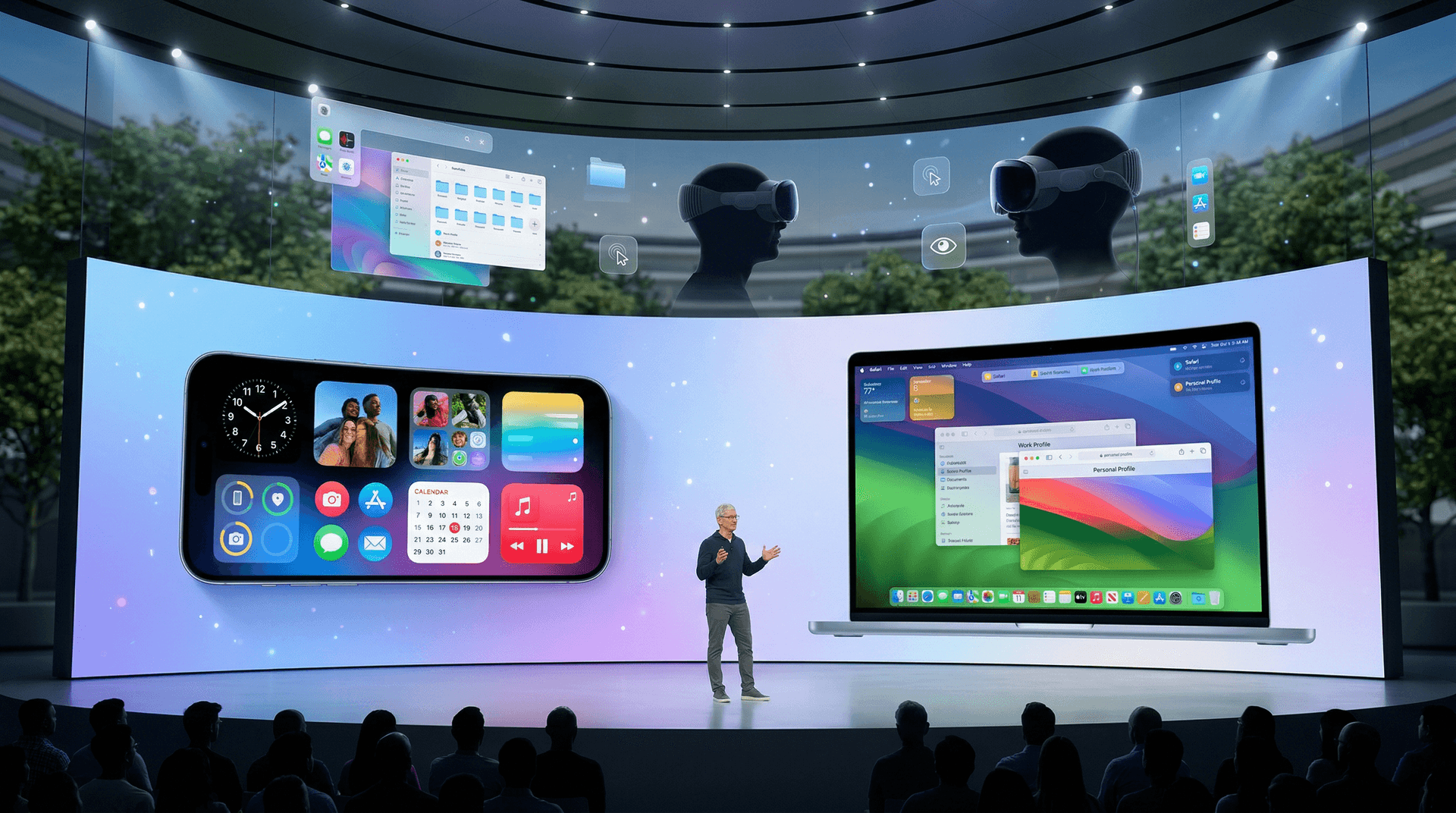
Apple's Worldwide Developers Conference (WWDC) 2023, held from June 5 to June 9, marked a pivotal moment for the company's software ecosystem. In a packed keynote on June 5 at Apple Park, CEO Tim Cook and his team unveiled major updates across all major platforms: iOS 17, iPadOS 17, macOS Sonoma, watchOS 10, tvOS 17, and the entirely new visionOS. These announcements, delivered to an audience of developers and enthusiasts worldwide via live stream, signal Apple's aggressive push into personalization, productivity, and emerging spatial computing paradigms.
iOS 17: Personalization Takes Center Stage
iOS 17 introduces the most significant redesign since iOS 7, focusing on user customization and intuitive interactions. The home screen now supports interactive widgets, allowing users to tap, scroll, and engage directly with content like calendars, reminders, and music players without opening apps. This brings iOS in line with competitors like Android, which have long offered such flexibility.
A standout feature is StandBy mode, transforming the iPhone into a smart display when charging in landscape orientation. It displays glanceable information such as clocks, widgets, and photos, with smooth transitions and Night Stand capabilities for bedside use. Live Activities, first teased in iOS 16, expand further, providing real-time updates from apps like sports scores or ride-sharing ETAs on the lock screen.
Contact posters allow users to customize how their info appears when sharing contacts, complete with photos and stylized text. Siri receives a redesign with a glowing edge animation and typed queries for hands-free accuracy. NameDrop enables seamless AirDrop sharing of contacts by bringing iPhones close together.
Under the hood, Apple has enhanced Journal app suggestions using on-device machine learning to recommend moments from photos and workouts. Messaging gets searchable transcripts for audio messages, and FaceTime now supports leaving voicemails and reactions during calls.
These changes make iOS 17 feel more alive and user-centric, with betas already available for developers as of June 5.
macOS Sonoma: Widgets and Video Conferencing Revamped
Formerly macOS 14 Ventura's successor, macOS Sonoma (version 14) borrows heavily from iOS innovations. Interactive widgets arrive on the desktop, pinnable to the menu bar or Notification Center, enabling quick actions like replying to messages or controlling smart home devices.
Video conferencing sees major upgrades with Presenter Overlay, allowing users to appear alongside shared content—a boon for educators and professionals. Reactions and spatial audio enhance calls, while Center Stage keeps participants in frame.
Safari gets smarter with Profiles for separating work and personal browsing, and the Reader mode now highlights key website elements. Game Mode optimizes performance for Apple Silicon Macs, prioritizing frame rates and reducing latency for titles like Resident Evil Village.
Continuity improvements let iPhone cameras serve as high-quality webcams for Mac apps, complete with Desk View for showing your workspace. These features bridge Apple's ecosystem tighter than ever.
visionOS and the Spatial Computing Era
The headline-grabbing reveal was visionOS, the operating system for the Vision Pro mixed-reality headset, launching in 2024. This 3D interface uses eye tracking, hand gestures, and voice for navigation, with windows floating in a photorealistic spatial environment.
visionOS supports over 100 native apps at launch, including immersive video experiences via Apple Immersive Video. Developers can port iOS apps via a compatibility mode, ensuring a vast library from day one. The SDK is available immediately for experimentation.
This positions Apple squarely in the AR/VR market dominated by Meta's Quest and Microsoft's HoloLens, with a focus on productivity over gaming.
Other Platform Updates
- iPadOS 17: PDF autocomplete, customizable toolbar, and Live Activities bring tablet features closer to desktop parity.
- watchOS 10: Smart Stack auto-suggests widgets based on time and location; new cycling workout tracking and depth gauge for snorkeling.
- tvOS 17: FaceTime on Apple TV via Continuity Camera, plus revamped Photos app with screen savers.
Developer Tools and AI Teases
Xcode 15 introduces Swift 5.9 with better concurrency and predictive code completion powered by Apple Silicon ML models. RealityKit and ARKit updates support visionOS development.
While not fully unveiled, enhancements to Apple Intelligence (on-device AI) hint at future Siri improvements, competing with Google Gemini and OpenAI's GPT models without cloud dependency.
Industry Implications
WWDC 2023 underscores Apple's software-first strategy amid hardware anticipation for M3 chips and foldables rumors. By emphasizing privacy-focused, on-device processing, Apple differentiates from cloud-heavy rivals.
Developers gain free access to betas, with public betas expected in July and stable releases this fall. Third-party adoption of new APIs, like Live Activities (already in apps like Uber and DoorDash), will determine success.
Critics note the iterative nature—no revolutionary Live Text expansions or Apple Pay abroad boosts—but the polish and ecosystem integration remain unmatched.
As betas roll out, expect a wave of app updates. WWDC 2023 isn't just software tweaks; it's a blueprint for Apple's next decade, blending familiar interfaces with bold spatial ambitions.
Word count: 912