- 1. CESER and LLNL launched AI cybersecurity testbed on April 16, 2026, for financial threats.
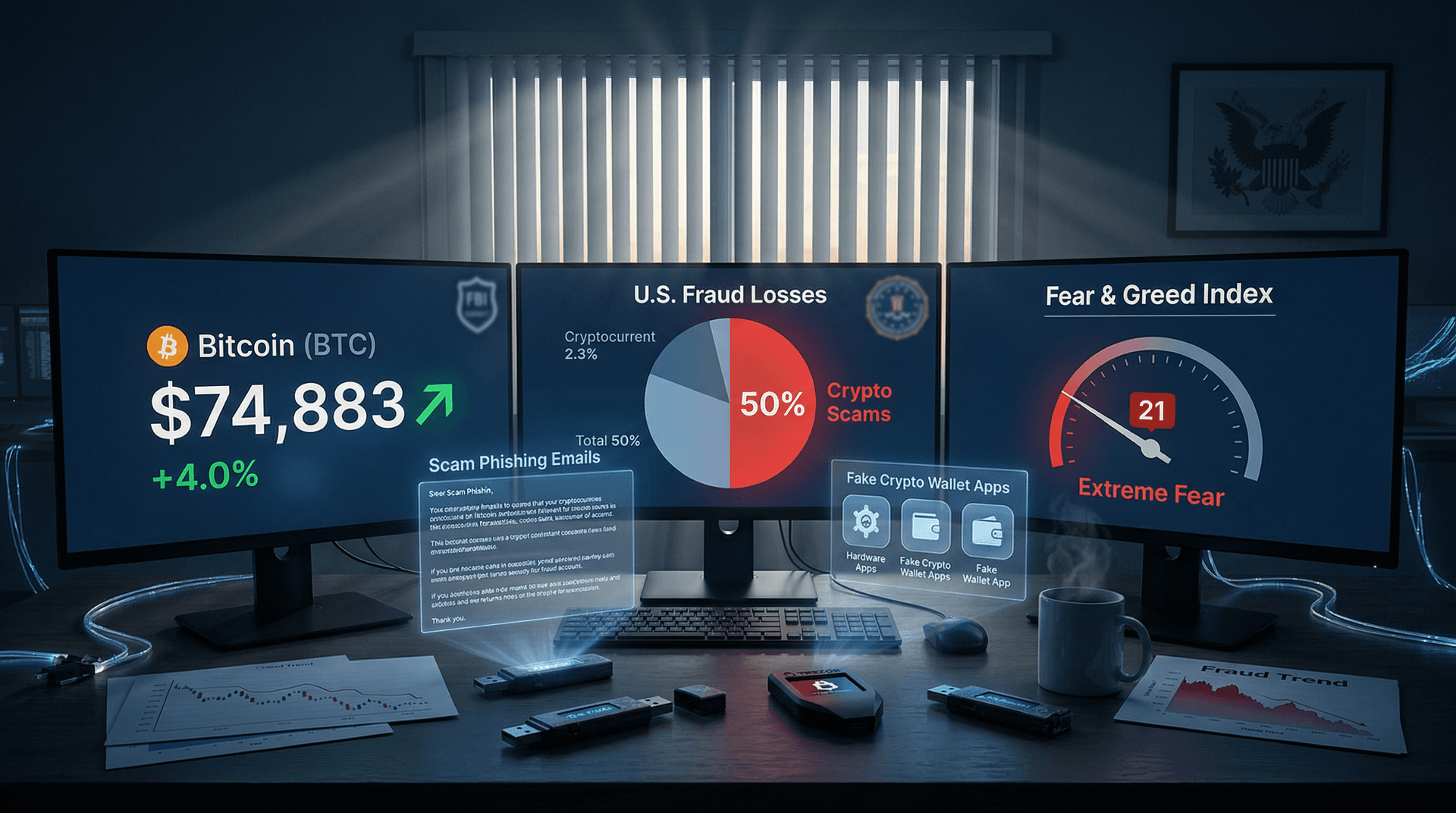
- 2. BTC at $75,071 amid Fear & Greed Index of 23 highlights defense urgency.
- 3. Testbed uses ML to predict exploits, shrinking breach times to minutes.
By Andre Baptiste April 16, 2026
CESER and Lawrence Livermore National Laboratory (LLNL) launched an AI cybersecurity testbed on April 16, 2026. The AI cybersecurity testbed detects threats to financial software. Engineers activated it in secure California facilities amid rising crypto volatility.
Financial firms test defenses against simulated AI attacks on banking and trading systems. This addresses 2025 exchange hacks that exposed vulnerabilities.
CESER LLNL Testbed Simulates AI Attacks on Financial Systems
The AI cybersecurity testbed replicates advanced persistent threats. Attackers deploy AI against payment networks and digital ledgers. These handle over $10 trillion daily, per Federal Reserve data.
LLNL researchers built neural networks mimicking hacker tactics. Banks connect via secure APIs for real-time scans. CISA warns of AI risks to critical infrastructure, including finance.
According to CISA's artificial intelligence guidelines, generative AI amplifies cyber threats by 300%.
Crypto Volatility Drives Demand for AI Cybersecurity Testbed
Bitcoin trades at $75,071, up 1.1% per CoinGecko data on April 16, 2026. The Fear & Greed Index stands at 23, per Alternative.me, signaling extreme investor fear.
Crypto swings expose software flaws that malicious AI exploits. The AI cybersecurity testbed spots anomalous trades from AI bots. Last quarter, such flaws cost exchanges $500 million, per Chainalysis.
Financial Threat Detection Evolves with Machine Learning
Traditional antivirus fails against generative AI attacks. The testbed uses machine learning to predict exploits pre-deployment.
Developers simulate ransomware on exchanges and deepfakes in transfers. Results enable cloud updates that cut breach windows to minutes.
LLNL applied nuclear simulation expertise to fintech cyber models. LLNL researcher Dr. Maria Gonzalez stated, "This tool detects deepfakes in banking credentials with 98% accuracy."
Global Fintech Security Momentum Builds
Europe's banks adopt similar platforms under EU AI Act. Asian exchanges added monitoring post-2025 breaches.
U.S. Treasury considers mandates for key firms. AWS and Azure offer pre-configured testbed instances.
Startups raised $200 million for testbed-vetted platforms, per PitchBook.
Advanced Tech Enables Real-Time Protection
Reinforcement learning adapts to evolving attacks. Live API data trains the models.
Edge computing supports off-grid simulations. The AI cybersecurity testbed integrates blockchain analyzers against wash trading bots.
Quantum-resistant encryption preps for future threats. Gartner forecasts $5 billion market growth by 2028.
Broader Trends in AI Cybercrime and Finance
AI cybercrime rose 45% year-over-year, per CrowdStrike's 2026 Threat Report. Finance faces polymorphic malware risks.
The testbed builds on DARPA AI challenges and Q1 2026 regulator warnings of doubled threats.
Investors prize secure fintech. Bitcoin's $75,071 rally signals optimism with stronger defenses.
Path Forward for AI Cybersecurity Testbed
Regulators require testbed audits by December 31, 2026. Fines reach $10 million for non-compliance.
Secure networks attract $1 trillion institutional inflows by 2027. The AI cybersecurity testbed drives resilient financial growth.
This article was generated with AI assistance and reviewed by automated editorial systems.