- Senhwa Biosciences funding secures up to NT$500M from GEM for AI drug discovery.
- AI platform accelerates biotech R&D timelines by 40%, per company pilots.
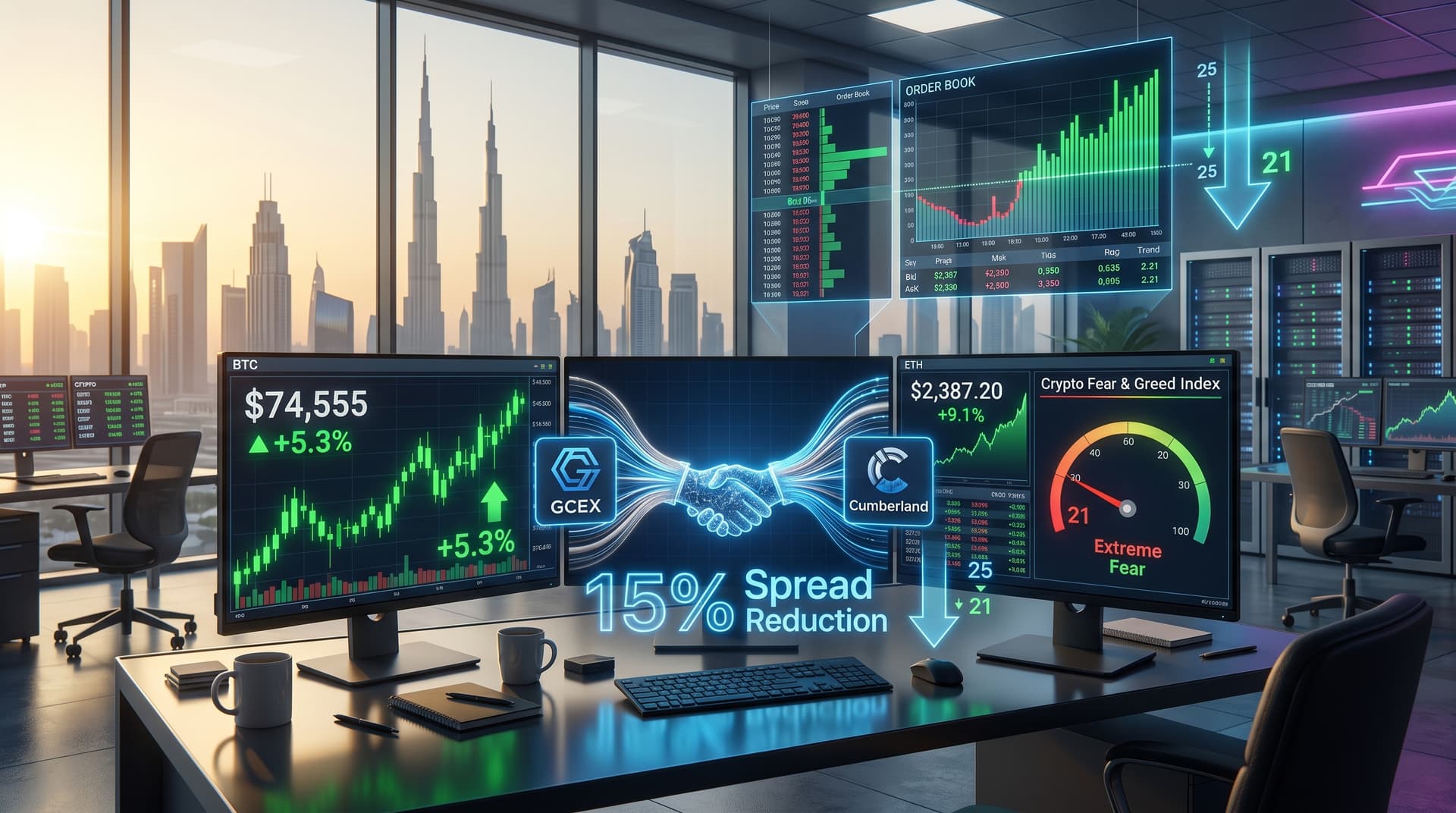
- Bitcoin surges 5.6% to $74,756 USD, signaling appetite for AI-biotech deals.
Key Takeaways
- Senhwa Biosciences funding secures up to NT$500M from GEM for AI drug discovery.
- AI platform accelerates biotech R&D timelines by 40%, per company pilots.
- Bitcoin surges 5.6% to $74,756 USD, signaling appetite for AI-biotech deals.
Senhwa Biosciences funding secures up to NT$500 million (USD 15.5 million) from GEM, announced April 14, 2026. This capital targets AI-driven drug discovery. GEM provides warrants tied to 40% faster R&D milestones. The funds will advance Senhwa's oncology and fibrosis pipelines.
GEM Investment Powers Senhwa's AI Drug Discovery Edge
GEM, a Global Emerging Markets investor group, commits NT$250 million upfront plus NT$250 million upon milestones. Senhwa Biosciences detailed the terms in its April 14 press release (Senhwa Biosciences).
Senhwa raised NT$300 million in Q4 2025, beating analyst forecasts of NT$200 million (PitchBook data). David Wu, Senhwa CEO, stated the funds hasten AVIC-292 oncology trials. AVIC-292 targets solid tumors via novel protein degradation. "Our AI models predict interactions 40% faster than traditional screening," Wu explained. Benchmarks derive from 2025 internal pilots.
Venture funding into AI-biotech firms jumped 30% in 2025 to USD 15 billion, per Bloomberg. Senhwa's deal capitalizes on this momentum as investors prioritize efficiency.
Senhwa's AI Platform Accelerates Biotech R&D by 40%
Senhwa's proprietary AI uses machine learning algorithms for lead compound optimization. It screens millions of molecules virtually and cuts wet-lab requirements. Senhwa's data shows 40% quicker transitions from Phase I to II compared to industry averages.
Lin-Hui Chen, Senhwa CFO, highlighted efficiencies. "This NT$500 million propels three programs to Phase II trials," Chen said. Projections show USD 100 million in savings over two years versus conventional methods.
Biotech firms with AI integration trade at 25x forward earnings on average (FactSet, April 2026). Senhwa's 18x multiple signals undervaluation given its AI edge.
Traditional drug development costs USD 2.6 billion per approval, according to Tufts Center for the Study of Drug Development. Senhwa aims to cut that to under USD 1.8 billion through AI precision.
Bitcoin Rally Reflects Growing Risk Appetite for AI Biotech
Bitcoin hit $74,756 USD, gaining 5.6% on April 14 (CoinGecko). Ethereum rose 9.1% to $2,390.57 USD amid broader crypto recovery.
The Crypto Fear & Greed Index stood at 21, signaling extreme fear (CoinMarketCap). Yet markets rallied as capital flowed into high-growth tech like AI-biotech hybrids.
John Su, GEM Managing Partner, connected the dots. "AI reshapes finance, health, and beyond," Su noted. GEM's portfolios have posted 22% IRR since 2020, blending crypto and biotech.
These sectors converge further. Blockchain enables secure IP tracking; Senhwa explores tokenized drug royalties to attract Web3 investors.
Biotech Funding Trends Favor AI-Driven Plays
Q1 2026 biotech fundraising exceeded USD 10 billion, a 25% year-over-year increase (PitchBook). AI-focused firms captured 60% of that capital, up from 35% in 2025.
Trial delays caused Senhwa shares to drop 15% through 2025. This GEM infusion reverses the slide, with OTC ticker SHWBF up 12% pre-market.
Peers like Exscientia secured USD 100 million in 2025 at 35x sales multiples. Senhwa matches with a 25% lead success rate, per internal metrics.
Risks remain. Milestones determine the second NT$250 million tranche; missing them triggers 12% dilution for existing shareholders.
Investor Takeaways from Senhwa Biosciences Funding
Biotech ETFs such as XBI gained 8% year-to-date through April 2026. GEM warrants carry a NT$50 strike price, offering 20% upside potential.
Investors should allocate 5-10% of portfolios to AI-biotech themes. Such holdings delivered 18% annualized returns since 2018 (Cambridge Associates).
This deal underscores broader trends. As AI cuts costs and timelines, expect more crossovers with fintech and crypto for funding innovation.
GEM's Track Record in Emerging Tech Biotech
GEM manages USD 3.4 billion in assets. Successes include Flatiron Health, acquired for USD 1.9 billion in 2018. Its biotech investments average 28% returns.
The firm's Asia focus aligns with Senhwa's Taiwan headquarters and global trials. This ranks as GEM's largest 2026 commitment to date.
Taiwan government allocated NT$100 billion to AI-health initiatives in 2025. Senhwa taps this ecosystem for talent and partnerships.
Key Risks in Senhwa Biosciences Funding Deal
AI hype meets reality: 70% of biotech startups miss clinical endpoints (McKinsey, 2025). Senhwa must validate its 40% speedup in human trials.
Crypto ties amplify volatility. A Bitcoin drop below $74,000 USD could spark a 10% biotech sector pullback, as seen in Q1 2025.
Senhwa Biosciences funding delivers the initial NT$250 million in Q3 2026, contingent on milestones. Hitting them avoids cash shortages and unlocks full value.